Indoors · Beginner
Indoor herb gardening guide
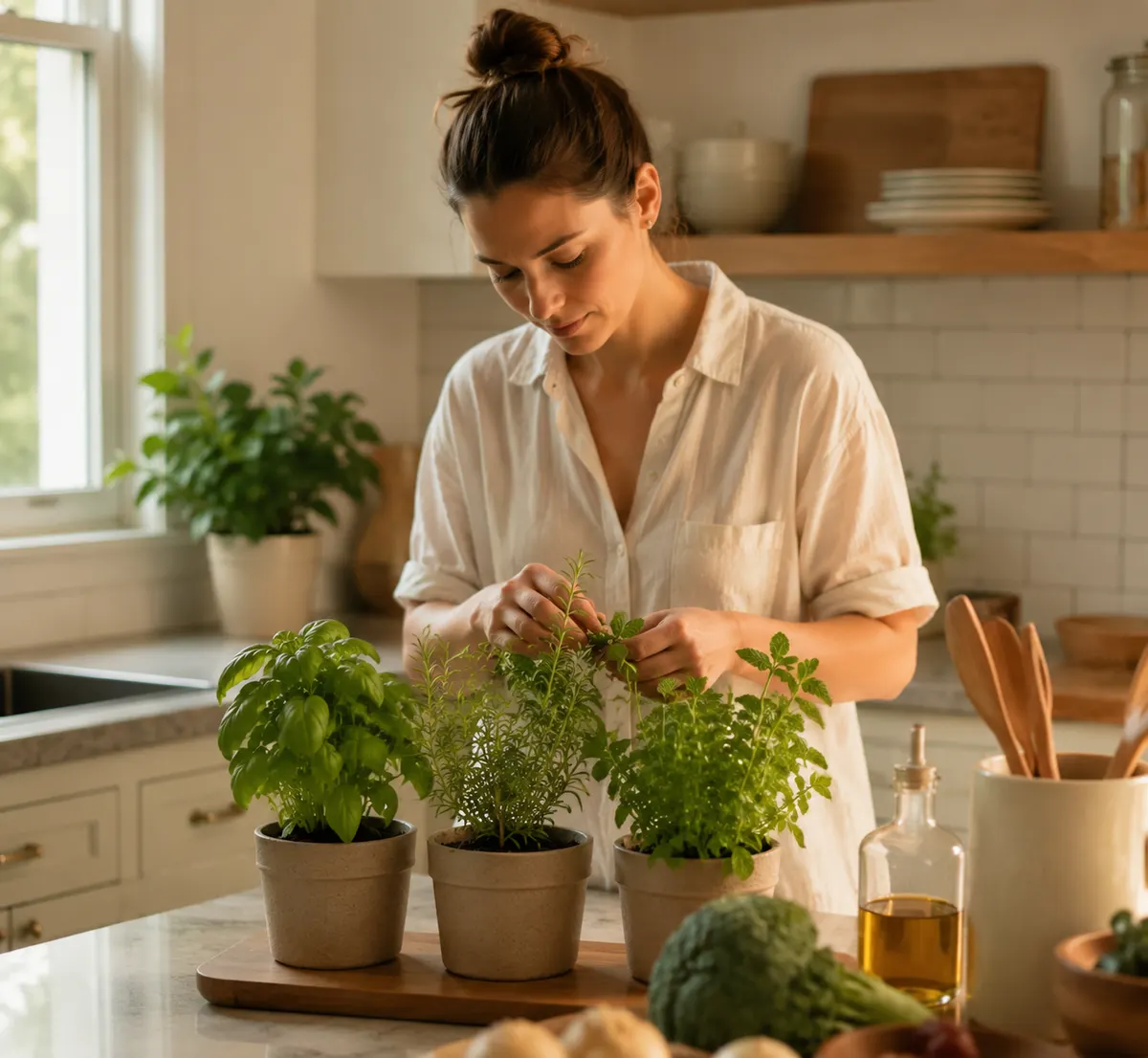
Indoor herb gardening is one of the easiest ways to keep a small natural wellness lifestyle garden going through every season. With a bright window or a simple grow light, you can grow many classic herbs on a kitchen counter or windowsill. Here's how to do it well.
1. Light: the most important factor
Most herbs want plenty of light. A south- or west-facing window is ideal — aim for around 6 hours of bright light a day. If your space is dim, a small LED grow light makes a big difference and keeps seedlings from getting weak and leggy.
2. Containers and drainage
Use pots with drainage holes and a saucer to catch water. Indoor herbs dislike sitting in soggy soil, so good drainage matters more indoors than almost anything else.
3. Watering indoors
Indoor plants dry out more slowly than outdoor ones, so water less than you might expect. Check the top inch of soil — if it's dry, water; if it's still damp, wait. Overwatering is the number one cause of unhappy indoor herbs.
4. Temperature and air
Normal room temperature suits most herbs. Keep pots away from cold drafts and direct heat vents, and give plants a little space so air can move around them.
5. Easy herbs for indoors
- Lemon balm — vigorous and forgiving.
- Chamomile — compact and cheerful.
- Calendula — bright and easy from seed.
For more beginner picks, see best herbs for home gardening beginners.
Common windowsill mistakes
- Too little light → weak, stretched seedlings.
- Overwatering → yellowing leaves and root problems.
- Pots with no drainage → waterlogged roots.
Just getting started?
A curated seed kit is an easy way to begin indoors. See our honest, neutral review.